

Ps. Rafael Yáñez Briceño MBA

La seguridad y salud en el trabajo (SST) no es solo un conjunto de normas; es un compromiso diario con la vida. Su objetivo primordial es garantizar que cada trabajador regrese a casa sano y salvo. Sin embargo, este compromiso se enfrenta a un enemigo insidioso y a menudo subestimado: la procrastinación. Este hábito de posponer tareas importantes, que muchos perciben como un simple problema de productividad, se convierte en un riesgo grave cuando se aplica a la SST. En este ámbito, el «ya lo haré mañana» puede tener consecuencias catastróficas.
Manifestaciones
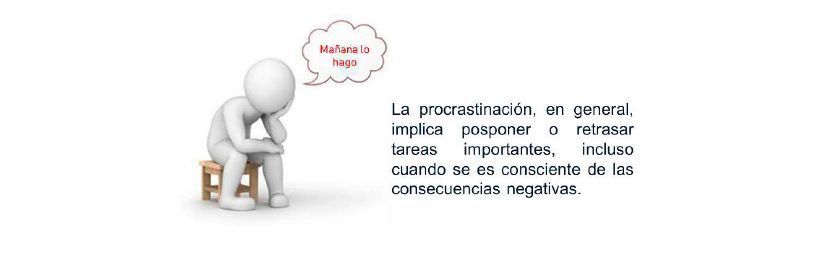
Manifestaciones comunes de la procrastinación en la SST


La procrastinación en la gestión de la seguridad laboral no siempre se presenta como una omisión evidente. A menudo, se esconde en pequeñas decisiones que, con el tiempo, acumulan un gran potencial de peligro. Algunas de las formas más comunes en las que se manifiesta incluyen:


Evaluaciones de riesgo aplazadas: No realizar a tiempo la evaluación de riesgos en un nuevo proceso, máquina o área de trabajo. Esto significa que los trabajadores operan en un entorno con peligros no identificados ni controlados.


Mantenimiento preventivo demorado: Retrasar la revisión y el mantenimiento programado de equipos y maquinarias. Un equipo defectuoso puede fallar en el momento menos esperado, causando accidentes graves. Lo mismo aplica para los Equipos de Protección Personal (EPPs), que pierden su efectividad si no se les da el mantenimiento adecuado.


Capacitación y simulacros pospuestos: No programar las formaciones de seguridad o posponer los simulacros de emergencia. En una situación crítica, la falta de conocimiento y práctica puede llevar al pánico, errores fatales y una respuesta ineficaz.


Quejas de los trabajadores ignoradas: No actuar con prontitud ante las notificaciones de los empleados sobre condiciones inseguras. La demora en atender estas quejas no solo aumenta el riesgo de un accidente, sino que también erosiona la confianza del personal en el sistema de seguridad de la empresa.


Investigación de incidentes retrasada: No investigar a fondo y de manera oportuna un accidente o un incidente. Sin un análisis inmediato, se pierden detalles cruciales, y la oportunidad de identificar las causas raíz y prevenir futuras repeticiones desaparece.
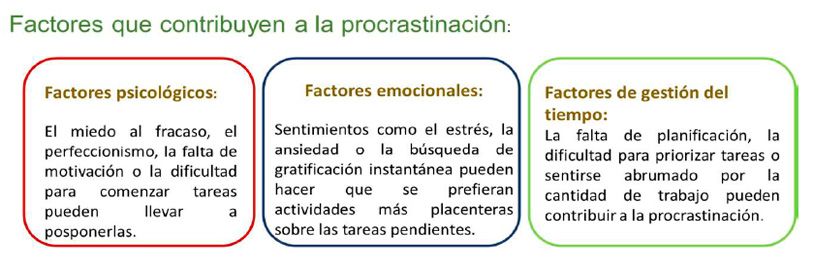
Causas subyacentes de la procrastinación en la SST y cómo combatirlas


Comprender las causas detrás de la procrastinación en la SST es esencial para poder enfrentarla de manera efectiva. No se trata solo de pereza, sino de una serie de factores que pueden ser tanto individuales como organizacionales.


Falta de recursos: La escasez de presupuesto, personal o herramientas adecuadas para la gestión de la SST a menudo lleva a que las tareas se pospongan en favor de otras que parecen más urgentes o productivas a corto plazo.


Sobrecarga de trabajo: El personal encargado de la seguridad puede estar abrumado con múltiples responsabilidades, lo que provoca que las tareas de prevención, que no tienen una fecha límite inmediata, se dejen para más tarde.


Percepción de la seguridad como un gasto: Si la alta dirección ve la SST como un gasto en lugar de una inversión, no le dará la prioridad que merece, creando una cultura donde las tareas de seguridad son vistas como menos importantes que las de producción.


Una cultura de «nada ha pasado»: Cuando una empresa lleva mucho tiempo sin accidentes graves, puede desarrollarse una falsa sensación de seguridad. Esta complacencia es peligrosa, ya que lleva a subestimar los riesgos y a posponer las medidas preventivas.


Estrategias para combatir la procrastinación

La lucha contra la procrastinación en la SST es una batalla por la vida. Requiere un enfoque proactivo y la implementación de estrategias claras.


1. Establecer plazos firmes y realistas: Asignar fechas límite a todas las tareas de SST, desde la revisión de equipos hasta las capacitaciones. Utilizar un calendario y recordatorios para asegurar su cumplimiento.


2. Fomentar una cultura de seguridad: Involucrar a los trabajadores en la identificación de riesgos y en la toma de decisiones de seguridad, fomentando la autovaloración preventiva. Cuando los empleados se sienten parte del proceso, la responsabilidad se vuelve colectiva.


3. Integrar la seguridad en los procesos diarios: Hacer que las tareas de SST sean una parte inherente del trabajo, no un apéndice. Por ejemplo, la revisión de seguridad de una máquina debe ser el primer paso antes de cada turno.


4. Invertir en tecnología: El software de gestión de SST puede ser una herramienta poderosa. Puede automatizar recordatorios, simplificar el seguimiento de las tareas y generar informes que demuestren el valor de la prevención.


5. Comunicar el costo de la inacción: Educar a toda la organización sobre el impacto real de los accidentes: no solo el costo humano, sino también los costos financieros (multas, demandas, pérdida de productividad).

We use cookies to personalise content and ads, to provide social media features and to analyse our traffic. We also share information about your use of our site with our social media, advertising and analytics partners.
Cookies settings
Accept
Privacy & Cookie policy
Privacy & Cookies policy
Cookie name Active

Privacy Policy

What information do we collect?

We collect information from you when you register on our site or place an order. When ordering or registering on our site, as appropriate, you may be asked to enter your: name, e-mail address or mailing address.

What do we use your information for?

Any of the information we collect from you may be used in one of the following ways: To personalize your experience (your information helps us to better respond to your individual needs) To improve our website (we continually strive to improve our website offerings based on the information and feedback we receive from you) To improve customer service (your information helps us to more effectively respond to your customer service requests and support needs) To process transactions Your information, whether public or private, will not be sold, exchanged, transferred, or given to any other company for any reason whatsoever, without your consent, other than for the express purpose of delivering the purchased product or service requested. To administer a contest, promotion, survey or other site feature To send periodic emails The email address you provide for order processing, will only be used to send you information and updates pertaining to your order.

How do we protect your information?

We implement a variety of security measures to maintain the safety of your personal information when you place an order or enter, submit, or access your personal information. We offer the use of a secure server. All supplied sensitive/credit information is transmitted via Secure Socket Layer (SSL) technology and then encrypted into our Payment gateway providers database only to be accessible by those authorized with special access rights to such systems, and are required to?keep the information confidential. After a transaction, your private information (credit cards, social security numbers, financials, etc) will not be kept on file for more than 60 days.

Do we use cookies?

Yes (Cookies are small files that a site or its service provider transfers to your computers hard drive through your Web browser (if you allow) that enables the sites or service providers systems to recognize your browser and capture and remember certain information We use cookies to help us remember and process the items in your shopping cart, understand and save your preferences for future visits, keep track of advertisements and compile aggregate data about site traffic and site interaction so that we can offer better site experiences and tools in the future. We may contract with third-party service providers to assist us in better understanding our site visitors. These service providers are not permitted to use the information collected on our behalf except to help us conduct and improve our business. If you prefer, you can choose to have your computer warn you each time a cookie is being sent, or you can choose to turn off all cookies via your browser settings. Like most websites, if you turn your cookies off, some of our services may not function properly. However, you can still place orders by contacting customer service. Google Analytics We use Google Analytics on our sites for anonymous reporting of site usage and for advertising on the site. If you would like to opt-out of Google Analytics monitoring your behaviour on our sites please use this link (https://tools.google.com/dlpage/gaoptout/)

Do we disclose any information to outside parties?

We do not sell, trade, or otherwise transfer to outside parties your personally identifiable information. This does not include trusted third parties who assist us in operating our website, conducting our business, or servicing you, so long as those parties agree to keep this information confidential. We may also release your information when we believe release is appropriate to comply with the law, enforce our site policies, or protect ours or others rights, property, or safety. However, non-personally identifiable visitor information may be provided to other parties for marketing, advertising, or other uses.

Registration

The minimum information we need to register you is your name, email address and a password. We will ask you more questions for different services, including sales promotions. Unless we say otherwise, you have to answer all the registration questions. We may also ask some other, voluntary questions during registration for certain services (for example, professional networks) so we can gain a clearer understanding of who you are. This also allows us to personalise services for you. To assist us in our marketing, in addition to the data that you provide to us if you register, we may also obtain data from trusted third parties to help us understand what you might be interested in. This ‘profiling’ information is produced from a variety of sources, including publicly available data (such as the electoral roll) or from sources such as surveys and polls where you have given your permission for your data to be shared. You can choose not to have such data shared with the Guardian from these sources by logging into your account and changing the settings in the privacy section. After you have registered, and with your permission, we may send you emails we think may interest you. Newsletters may be personalised based on what you have been reading on theguardian.com. At any time you can decide not to receive these emails and will be able to ‘unsubscribe’. Logging in using social networking credentials If you log-in to our sites using a Facebook log-in, you are granting permission to Facebook to share your user details with us. This will include your name, email address, date of birth and location which will then be used to form a Guardian identity. You can also use your picture from Facebook as part of your profile. This will also allow us and Facebook to share your, networks, user ID and any other information you choose to share according to your Facebook account settings. If you remove the Guardian app from your Facebook settings, we will no longer have access to this information. If you log-in to our sites using a Google log-in, you grant permission to Google to share your user details with us. This will include your name, email address, date of birth, sex and location which we will then use to form a Guardian identity. You may use your picture from Google as part of your profile. This also allows us to share your networks, user ID and any other information you choose to share according to your Google account settings. If you remove the Guardian from your Google settings, we will no longer have access to this information. If you log-in to our sites using a twitter log-in, we receive your avatar (the small picture that appears next to your tweets) and twitter username.

Children's Online Privacy Protection Act Compliance

We are in compliance with the requirements of COPPA (Childrens Online Privacy Protection Act), we do not collect any information from anyone under 13 years of age. Our website, products and services are all directed to people who are at least 13 years old or older.

Updating your personal information

We offer a ‘My details’ page (also known as Dashboard), where you can update your personal information at any time, and change your marketing preferences. You can get to this page from most pages on the site – simply click on the ‘My details’ link at the top of the screen when you are signed in.

Online Privacy Policy Only

This online privacy policy applies only to information collected through our website and not to information collected offline.

Your Consent

By using our site, you consent to our privacy policy.

Changes to our Privacy Policy

If we decide to change our privacy policy, we will post those changes on this page.
Save settings
Cookies settings